judy
judy World Mental Health Day 2026 arrives on October 10 with a theme that puts your story at the center: “Lived Experiences Heard: Real Voices, Real Change.” This year’s observance, set by the World Federation for Mental Health, invites Canadians who’ve navigated mental health challenges to share their experiences as a catalyst for meaningful change in how we understand, support, and talk about mental health across communities.
Your lived experience matters. Whether you’ve faced anxiety, depression, burnout, or another mental health challenge, your voice carries the power to break down stigma, shape better support systems, and remind others they’re not alone. This theme recognizes that people with firsthand knowledge of mental health struggles bring insights no textbook or policy brief can replicate.
For years, conversations about mental health have been led primarily by professionals and researchers. That expertise remains vital, but this year’s theme acknowledges a crucial gap: the people living these realities every day deserve a seat at the table. When someone shares what helped them through a crisis, what barriers they faced in accessing care, or how stigma showed up in their workplace, that knowledge becomes a roadmap for others and a call to action for decision-makers.
Across Canada, October 10 offers an opportunity to participate in this shift. You can share your story through community events, social media, workplace conversations, or local mental health organizations. This introduction will guide you through what story-sharing means in practice, who can participate, how to do it safely and effectively, and where to find support along the way.
Understanding the 2026 Theme: What ‘Lived Experiences Heard’ Means

The 2026 theme set by WFMH is “Lived Experiences Heard: Real Voices, Real Change.” The World Federation for Mental Health announces the official theme each year, and this year’s focus centres the actual voices of people who have navigated mental health challenges.
World Mental Health Day falls on October 10 annually, providing a global platform to raise awareness and drive action around mental health. The World Mental Health Day date has been consistent for decades, creating a shared moment worldwide to address mental health issues with intention and solidarity.
But what does “lived experience” actually mean? In mental health contexts, it refers to the personal, first-hand knowledge that comes from navigating mental health challenges, substance use, addiction, recovery, or supporting someone through these journeys. It’s the wisdom gained from being there, not just reading about it.
This theme recognizes that people with lived experience hold insights no textbook can provide. They understand the barriers in accessing care, the impact of stigma, what actually helps during crisis, and what recovery looks like in real life. When decision-makers, healthcare providers, and communities genuinely listen to these voices, meaningful change becomes possible.
Real voices drive real change because they shift mental health conversations from abstract concepts to human realities. Personal stories challenge stereotypes, reveal gaps in services, and remind us that behind every statistic is someone’s son, daughter, friend, or neighbour. For Canadians, this theme invites us to both share our own stories and create spaces where others feel safe doing the same.
Who Can Share Their Mental Health Story
Your story matters. Whether you’ve navigated anxiety, depression, bipolar disorder, schizophrenia, PTSD, or any other mental health challenge, you have a voice worth hearing. If you’ve struggled with substance use or addiction, walked the path of recovery, or supported a loved one through their mental health journey, your lived experience counts.
There’s no minimum threshold for sharing. You don’t need a formal diagnosis, years of therapy, or a fully resolved story. Your experience is valid whether you’re thriving in recovery, still figuring things out, or somewhere in between. Mental health challenges touch people across every age, gender, culture, income level, and community in Canada, and every perspective enriches the conversation.
Many people hesitate, wondering if their story is “significant enough” or if they’ve “earned the right” to speak. The truth is simpler: if mental health has touched your life, you qualify. The 2026 theme explicitly calls for real voices, which means authentic experiences in all their messy, unfinished, hopeful complexity.
You might be a student managing exam stress and panic attacks, a parent balancing postpartum depression, someone in long-term recovery, or a sibling who’s watched mental illness affect your family. You could be early in your journey or decades into it. All of these stories contribute to understanding and change.
What matters isn’t meeting some imaginary standard. It’s your willingness to share what you’ve learned, what helped, and what you wish others understood.
How to Share Your Lived Experience
Preparing Your Story Safely
Before you decide to share your mental health story, take time to assess whether you’re truly ready. Ask yourself: Am I in a stable place right now, or am I still in crisis? Sharing from a place of ongoing distress can be re-traumatizing rather than healing. If you’re unsure, wait. Your story will still matter next month or next year.
Set clear boundaries before you begin. Decide which parts of your experience you’re comfortable making public and which remain private. You don’t owe anyone every detail. Consider what you’re willing to answer if people ask follow-up questions, and prepare a polite way to decline when something feels too personal.
Check your motivation. Are you sharing because you genuinely want to, or because you feel pressured by the occasion or others’ expectations? World Mental Health Day on October 10 is an opportunity, not an obligation. Your story is yours to share on your terms, or not at all.
Talk to someone you trust before going public, a therapist, close friend, or peer support worker. They can help you identify potential triggers in your narrative and think through how you’ll handle reactions, both supportive and difficult. Preparation doesn’t mean rehearsing every word; it means ensuring you’re sharing from strength, not vulnerability.
Where to Share: Platforms and Opportunities
You can share your story through multiple channels that suit your comfort level and goals. Partners for Mental Health Canada welcomes personal narratives through their website and social media platforms, often launching specific campaigns around October 10. Many local mental health organizations across Canadian provinces host storytelling events, panel discussions, and community gatherings during World Mental Health Week, check regional chapters of the Canadian Mental Health Association or provincial mental health networks for opportunities near you.
If you’re comfortable with your employer knowing your story, workplace mental health initiatives often seek employee voices for internal campaigns, newsletters, or lunch-and-learn sessions. Some companies partner with national organizations to amplify these stories while protecting your privacy.
Social media offers immediate reach. You can share on your personal accounts using hashtags like #WorldMentalHealthDay or #LivedExperienceHeard, contribute to online storytelling projects, or join mental health advocacy groups seeking contributors. Platforms like Instagram, LinkedIn, and Facebook all host communities dedicated to mental health awareness.
Consider provincial peer support networks, mental health advocacy coalitions, or storytelling projects run by universities and research centres. Many actively collect narratives year-round but particularly welcome contributions leading up to October 10. Start by exploring what feels safest, a small local event, an anonymous online submission, or a more public platform, and remember you can always expand your reach as you become more comfortable.
What to Include in Your Story
Your story doesn’t need to follow a script, it just needs to feel true to you. Start with what matters most: the challenges you’ve faced, whether that’s anxiety, depression, addiction, or supporting a loved one through crisis. You don’t need to share every detail; focus on moments that shaped your journey.
Include turning points that changed your path. Maybe it was finding the right therapist, a conversation that broke through isolation, or a realization that led to seeking help. These moments show others that change is possible.
Share what actually helped, therapy, medication, peer support, creative outlets, community connection. Specific examples (even small ones like “morning walks helped me manage panic attacks”) often resonate more than broad statements.
End with hope and action. What would you tell someone struggling today? What needs to change in how we talk about mental health? Your message doesn’t need to be grand, authentic encouragement matters more than polished inspiration.
Throughout, protect your privacy. Use first names or pseudonyms, omit identifying details about others, and share only what feels safe now. You can always tell more later, but you can’t unsay what’s public.
Your Rights and Well-Being When Sharing
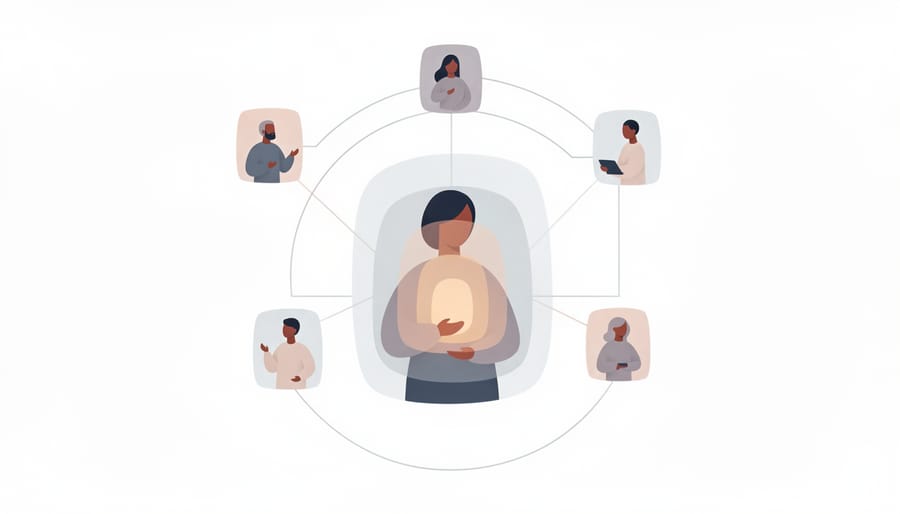
When you choose to share your mental health story, you have fundamental rights that protect your dignity and autonomy. You control what you share, how much detail you include, and where your story appears. You can use your real name or remain anonymous. You have the right to withdraw your consent at any time, if you’ve shared something publicly and later feel uncomfortable, you can ask for it to be removed or taken down. Most importantly, you have the right to protection from stigma and discrimination; no one should face professional, social, or personal consequences for speaking openly about mental health experiences.
Alongside these rights come responsibilities that protect both you and your audience. Share responsibly by being honest but avoiding graphic details that might trigger distress in others. Respect the privacy of anyone else mentioned in your story, change identifying details or get permission before naming others. Don’t offer medical advice or specific treatments; instead, focus on your personal experience and what worked for you. Prioritize your own wellness throughout the process; if sharing becomes emotionally draining or destabilizing, pause or step back entirely.
If you encounter negative responses or stigmatizing comments after sharing, remember that these reactions reflect the commenter’s limitations, not your worth. Protect your mental health by limiting exposure to harmful feedback, turn off comments, mute notifications, or step away from that platform temporarily. Lean on your support network and remind yourself why you chose to share. If negative reactions feel overwhelming, reach out to a mental health professional or crisis line listed in the support section of this article. Your courage in speaking up contributes to real change, even when individual responses disappoint.
Where to Get Help and Support

You don’t need to share your story publicly to deserve support. Whether you’re considering speaking up, actively participating in World Mental Health Day 2026, or simply navigating your own mental health journey, help is available across Canada.
Partners for Mental Health Canada offers dedicated resources to support yourself and support someone else. Their website includes practical tools, personal stories from others who’ve shared their experiences, and clear guidance to get help for mental illness. If you’re thinking about sharing your lived experience around October 10, reaching out to their team can connect you with storytelling opportunities and peer networks.
Key support resources available to all Canadians include:
- Partners for Mental Health Canada: storytelling resources, community connection, and advocacy support
- 988 Suicide Crisis Helpline: 24/7 crisis support by call or text, available nationwide
- Provincial and territorial mental health services: publicly funded counselling and crisis intervention in your region
- Peer support programs: facilitated groups led by people with lived mental health experience
- Licensed mental health professionals: psychologists, therapists, and counsellors for ongoing care
- Community organizations: local mental health associations offering drop-in support and workshops
If sharing your story brings up difficult emotions, crisis lines provide immediate support. The 988 helpline connects you to trained responders who understand mental health challenges. Many peer support groups also offer safe spaces to process your experiences with others who truly get it.
Your local Canadian Mental Health Association branch can direct you to region-specific services, including subsidized counselling and walk-in clinics. Some organizations specifically support storytellers, offering media training, emotional preparation, and follow-up care after public sharing.
Remember that seeking support is itself an act of strength. You deserve help at every stage of your journey, whether you choose to share publicly or keep your story private.
Why Personal Stories Create Real Change

When you share your lived experience you do more than tell your story. You create pathways for others who feel alone in their struggles.
Personal mental health narratives break down stigma by putting a human face to statistics. When someone hears how you navigated a panic disorder or supported a family member through depression, mental illness stops being an abstract fear and becomes something real people live through and recover from. This shift in perception is foundational to reducing shame and encouraging help-seeking.
Stories also inform better policy. Canadian lawmakers and healthcare administrators make different decisions when they hear directly from people affected by wait times, gaps in service, or systemic barriers. Your voice carries weight that data alone cannot provide.
Lived experience builds community, too. When you speak openly, you signal to others that they’re not the only ones facing these challenges. You create permission for someone else to open up, seek treatment, or simply feel less isolated. That ripple effect extends far beyond the initial conversation.
Finally, personal stories inspire hope in tangible ways. Hearing how someone found the right therapist, rebuilt relationships, or returned to work after a mental health crisis shows others that recovery is possible. Hope isn’t vague reassurance; it’s proof that change happens.
This is exactly what the 2026 theme “Lived Experiences Heard: Real Voices, Real Change” recognizes. When real voices are truly heard, real change follows in hearts, policies, and communities across Canada.
How to Apply or Complete the Process
There’s no formal application process required to share your mental health story or participate in World Mental Health Day 2026. The act of sharing lived experience is voluntary and personal, you choose when, where, and how to tell your story.
If you want to contribute to an organized campaign or event, the process depends on the platform you choose. For Partners for Mental Health Canada’s storytelling initiatives, visit their website in the weeks leading up to October 10 to see current calls for stories or submission forms. Some organizations may ask for basic information, your name (or how you’d like to be identified), contact details, and your story in written or recorded form. You’ll typically consent to how your story can be used and shared.
For workplace or community events around World Mental Health Day, reach out to organizers directly. Many accept stories via email or online forms, with simple instructions about length, format, and what to include. Review any consent forms carefully so you understand where your story will appear and whether you can remain anonymous.
Social media participation requires no formal steps, simply share using relevant hashtags like #WorldMentalHealthDay2026 or #LivedExperiencesHeard on October 10 or throughout Mental Health Week in Canada (first week of May).
The key is choosing a path that feels safe and meaningful to you, not completing a bureaucratic process.
At-a-Glance Details
Here’s a quick reference to help you understand and participate in World Mental Health Day 2026:
| Key Detail | Information |
|---|---|
| Date | October 10, 2026 |
| 2026 Theme | Lived Experiences Heard: Real Voices, Real Change |
| Theme Set By | World Federation for Mental Health |
| Who Can Participate | Anyone with lived experience of mental health challenges, recovery, or supporting others |
| Ways to Share | Community events, workplace campaigns, social media, partner organizations, local initiatives |
| Support Available | Crisis lines, peer networks, Partners for Mental Health Canada, provincial services |
This snapshot covers the essentials, but remember that your participation can take many forms. You don’t need to share publicly to honor the day. Listening to others, learning about mental health, or simply taking a personal wellness step all align with the theme’s focus on real voices creating real change in communities across Canada.
Frequently Asked Questions
What is the theme of World Mental Health Day 2026?
The World Federation for Mental Health has announced the 2026 theme as “Lived Experiences Heard: Real Voices, Real Change,” emphasizing the power of personal mental health stories to drive meaningful change.
When is World Mental Health Day celebrated?
World Mental Health Day is observed annually on October 10, providing a global platform for mental health awareness and advocacy.
Do I need a formal diagnosis to share my mental health story?
No, you don’t need a diagnosis. Lived experience includes anyone affected by mental health challenges, whether your own or someone you’ve supported, at any stage of the journey.
What if I’m not comfortable sharing my story publicly?
You can share in smaller, safer spaces like support groups or with trusted friends, or simply listen to others’ stories and offer support. There’s no obligation to go public if it doesn’t feel right for you.
How can I support someone else sharing their mental health story?
Listen without judgment, thank them for their courage, respect their boundaries, and avoid offering unsolicited advice or comparing their experience to others. Simply being present makes a difference.
If you’re struggling or need someone to talk to, remember that where to find help is never a question you have to face alone. Support networks across Canada are available 24/7, whether you’re considering sharing your story or simply need a listening ear. Your participation in World Mental Health Day can take many forms, and all of them matter in building a more compassionate, understanding community.
World Mental Health Day 2026 isn’t just a date on the calendar, it’s an invitation. Whether you choose to share your story, listen with intention to someone else’s, or quietly take a step toward your own healing, your participation matters. The theme “Lived Experiences Heard: Real Voices, Real Change” reminds us that transformation happens one voice, one conversation, one act of courage at a time.
You don’t need to have everything figured out. You don’t need a perfect recovery story or a polished narrative. Your experience, exactly as it is, holds value. And if speaking up doesn’t feel right for you, that’s okay too. Supporting others, learning, showing up for yourself, these are all powerful ways to honor October 10 and the broader movement toward mental wellness.
Real change grows from community, and community grows from connection. As Canadians mark this day together, we’re building something larger than individual stories. We’re creating space for healing, hope, and the kind of understanding that only comes when we truly listen to each other.