judy
judy No, OCD is no longer classified as an anxiety disorder. In 2013, the DSM-5 moved obsessive-compulsive disorder out of the anxiety disorders chapter and gave it its own category: Obsessive-Compulsive and Related Disorders. This reclassification reflects what clinicians had long observed: while anxiety is often present in OCD, the core features are the obsessions themselves and the compulsions people feel driven to perform, not the worry and fear that define anxiety disorders.
If you’re trying to understand whether your child’s repetitive behaviors stem from OCD or an anxiety disorder, you’re not alone in feeling confused. The two conditions share overlapping symptoms and frequently occur together, which is why so many Canadians still think of OCD as a type of anxiety. Yet the distinction matters profoundly for treatment. While both conditions may respond to similar therapies, the specific approaches differ in meaningful ways, and getting the right diagnosis opens the door to care that truly fits.
Through our work with families navigating mental health support across Canada, we’ve seen how this diagnostic shift creates both clarity and questions. Parents tell us they finally understand why their child’s intrusive thoughts feel different from typical worries, or why exposure therapy for OCD looks distinct from anxiety treatment. The Centre for Addiction and Mental Health explains that anxiety involves realistic concerns about everyday situations, while OCD obsessions tend to be exaggerated, irrational, or paired with rituals meant to neutralize distress.
This article will walk you through what each condition actually is, compare them across the dimensions that matter most for families, and help you recognize which diagnosis might apply to your situation.
At-a-Glance: OCD vs. Anxiety Disorders
When the DSM-5 reclassified OCD in 2013, it created a distinction many parents find confusing. Here’s what you need to know at a glance.
| Aspect | OCD | Anxiety Disorders |
|---|---|---|
| DSM-5 Classification | Obsessive-Compulsive and Related Disorders (separate category) | Anxiety Disorders category |
| Core Features | Obsessions paired with compulsions (rituals) | Excessive worry without ritualistic behaviors |
| Nature of Concerns | Exaggerated, irrational, or unrealistic worries | Understandable real-life concerns |
| Treatment Response | Responds to similar interventions but requires specialized approaches | Responds to similar interventions but requires specialized approaches |
| Co-Occurrence | Frequently appears alongside anxiety disorders | Frequently appears alongside OCD |
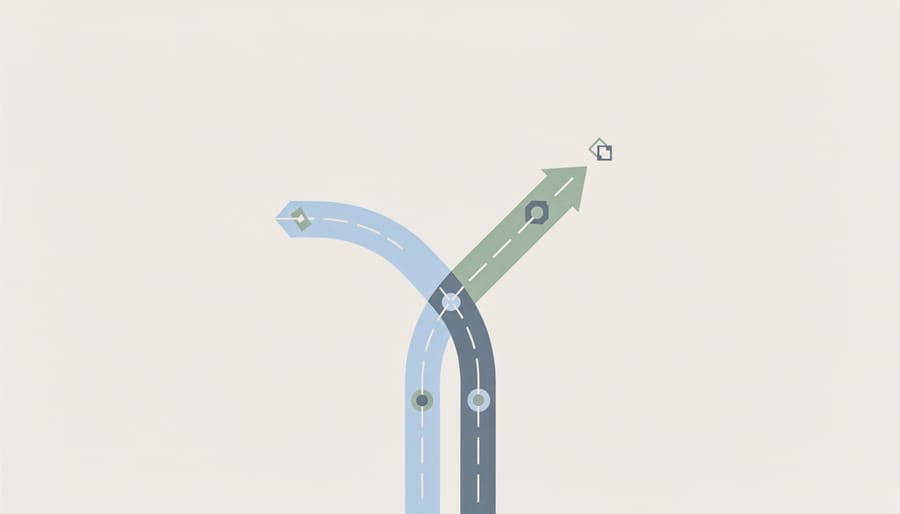
The classification change reflects that obsessions and compulsions, rather than anxiety itself, define OCD. Yet these conditions share enough overlap in treatment response and co-occurrence that experts debated the separation. For parents, the key takeaway is this: while both involve worry, OCD pairs those worries with specific rituals your child feels compelled to perform. Anxiety disorders involve persistent concerns without those behavioral rituals. Both are treatable, but accurate diagnosis matters because treatment approaches differ significantly for each condition.

What Each Condition Is
Understanding Obsessive-Compulsive Disorder
Obsessive-Compulsive Disorder is a mental health condition marked by two core features that work together to create a cycle of distress. Unlike the everyday worries that characterize anxiety disorders, OCD involves thoughts and behaviors that feel intrusive, excessive, and often disconnected from reality.
- Obsessions
- Unwanted, intrusive thoughts, images, or urges that cause significant distress and feel impossible to control. For youth, these might include exaggerated fears about contamination (believing touching a doorknob will cause serious illness), intrusive thoughts about harm coming to loved ones, or extreme concerns about things being “just right” or symmetrical.
- Compulsions
- Repetitive behaviors or mental rituals performed in response to obsessions, aimed at reducing anxiety or preventing feared outcomes. Common examples in young people include excessive hand-washing, repeatedly checking locks or homework, counting to specific numbers, arranging items in precise orders, or seeking constant reassurance from parents.
What distinguishes OCD from typical anxiety is the nature of the concerns and the ritualistic response. When a teen with an anxiety disorder worries about an upcoming exam, that concern relates to a real, understandable situation. When a teen with OCD spends hours arranging books on a shelf because they believe something terrible will happen if the order is wrong, that concern has moved into irrational territory.
The relationship between obsessions and compulsions creates a reinforcing loop. A disturbing thought triggers intense anxiety, the young person performs a ritual because compulsions reduce distress temporarily, but this relief is short-lived. The obsession returns, often stronger, demanding more elaborate rituals. This cycle can consume hours of a child’s day, interfering with schoolwork, friendships, and family life in ways that differ markedly from anxiety disorders.
Understanding Anxiety Disorders
Anxiety disorders represent a category of mental health conditions where young people experience recurrent thoughts and worries about understandable real-life concerns. These worries feel very real and make sense given the context, even when they become excessive. A teen might worry constantly about failing an exam, getting sick, or being judged by peers. While the intensity may be disproportionate, the concerns themselves are grounded in real possibilities that anyone could relate to.
The key distinction we’ve observed in working with anxious youth is that these worries typically connect directly to genuine life stressors. A child with social anxiety isn’t worried about an irrational scenario; they’re genuinely concerned about embarrassment or rejection, which are real social risks. Someone with generalized anxiety disorder might fixate on whether they locked the door or if a family member will have a car accident, concerns that, while amplified, remain tied to actual dangers.
Unlike OCD, anxiety disorders rarely involve ritualistic behaviors designed to neutralize the worry. An anxious child might avoid situations that trigger their fears or seek reassurance repeatedly, but these responses differ from the specific compulsive routines that characterize OCD. The worry itself is the central problem, not an obsession paired with a compulsion.
Most anxiety disorders share common features: physical symptoms like rapid heartbeat and sweating, persistent worry that’s hard to control, and avoidance of anxiety-triggering situations. The thoughts feel intrusive and unwanted, but they remain rooted in recognizable, real-world concerns rather than the exaggerated or irrational nature of OCD obsessions.

How the DSM-5 Changed the Classification
Until 2013, if you opened the DSM-IV manual to look up OCD, you’d find it listed alongside other anxiety disorders such as generalized anxiety disorder and panic disorder. That changed when the American Psychiatric Association published the DSM-5 in May 2013. DSM-5 moved OCD into its own standalone category called “Obsessive-Compulsive and Related Disorders,” separating it from the anxiety disorders section for the first time in the manual’s history.
This wasn’t just administrative reorganization. The reclassification reflected a fundamental debate about what defines these conditions at their core. Experts who supported the move argued that obsessions and compulsions, not anxiety itself, are the defining features of OCD. While people with OCD certainly experience anxiety, it’s a byproduct of their obsessive thoughts and the urge to perform compulsions. The obsessions drive the disorder, and the compulsions are what distinguish it from other mental health conditions.
The decision wasn’t unanimous among mental health professionals. Critics of the change pointed to compelling practical reasons for keeping OCD within the anxiety disorders category. Both conditions respond to similar treatments, particularly cognitive-behavioral therapy and certain medications. They also frequently co-occur in the same individuals, especially in children and teens. If the treatments overlap and the disorders often appear together, some experts questioned whether creating a separate category would genuinely help patients and families.
What matters for parents is that this classification shift reflects evolving scientific understanding of how OCD works. The Centre for Addiction and Mental Health notes that while anxiety disorders involve worries about readily understandable real-life concerns, OCD obsessions are typically exaggerated, unrealistic, or irrational and are accompanied by compulsions. Recognizing this difference helps healthcare providers differentiate the conditions accurately, which matters because treatment approaches differ significantly for each one. Whether your child receives an anxiety disorder diagnosis or an OCD diagnosis shapes the specific therapeutic strategies clinicians will recommend.
Comparing OCD and Anxiety Disorders: What Parents Need to Know
Type and Focus of Worries
The clearest way to tell these conditions apart is by looking at what your child worries about and why. Anxiety disorders center on real-life concerns that most of us can easily relate to, worrying about an upcoming test, whether they’ll make the team, or if they’re safe when separated from you. These worries make sense given the situation, even when they become excessive.
OCD obsessions look different. They’re typically very exaggerated or involve unrealistic, irrational concerns that don’t match the actual risk. A child might become consumed by the idea that touching a doorknob will cause a family member to die, or that if they don’t count to a specific number, something terrible will happen. The worries often feel bizarre even to the child experiencing them, yet they can’t shake the distress.
We’ve seen parents describe this distinction as the difference between “What if I fail the test?” (anxiety) versus “What if my thoughts can cause harm to others?” (OCD). The latter involves magical thinking or exaggerated threat assessment that extends beyond ordinary life concerns. Understanding this difference helps you communicate more effectively with mental health professionals when seeking diagnosis and support for your child.
Presence of Compulsions
The defining difference between OCD and anxiety disorders lies in the presence of compulsions. When your child has OCD, they perform specific, often ritualistic behaviors or mental acts to reduce the intense discomfort triggered by their obsessions. These compulsions are concrete and deliberate: repeatedly checking locks, washing hands in a precise sequence, counting to a certain number, or silently repeating phrases until they feel “just right.” The child recognizes, at least partially, that these rituals are attempts to neutralize the obsessive thoughts or prevent a feared outcome.
In contrast, anxiety disorders typically don’t involve these behavioral rituals. A child with generalized anxiety might worry constantly about school performance or family health, but they won’t engage in specific repetitive behaviors designed to stop those worries. They might seek reassurance from parents or avoid certain situations, but these responses lack the rigid, ritualistic quality that defines OCD compulsions. This distinction is crucial because it changes both how we understand what your child is experiencing and which therapeutic approaches will be most effective in helping them.
Treatment Approaches and Response
Both OCD and anxiety disorders respond well to cognitive-behavioral therapy and selective serotonin reuptake inhibitors (SSRIs), which is precisely why some mental health experts argued against separating them in the DSM-5. When two conditions share effective treatment pathways, the logic goes, they belong together diagnostically.
Yet CAMH emphasizes that treatment approaches still differ significantly between these conditions. For anxiety disorders, therapy typically focuses on challenging worried thoughts about real-world concerns and gradually facing feared situations. With OCD, the approach targets the obsession-compulsion cycle itself: exposure and response prevention teaches children to sit with intrusive thoughts without performing rituals, breaking the pattern that maintains the disorder.
We’ve seen this play out in practice. A child with generalized anxiety might work on realistic worry management and coping skills for school stress. A child with OCD needs specialized intervention targeting their specific compulsions, whether those involve checking, counting, or mental rituals. The medication doses and therapy techniques, while overlapping, require tailoring to the distinct mechanisms driving each condition. This is why accurate diagnosis matters: your child receives treatment calibrated to how their specific condition operates, not just generic anxiety management.
Co-Occurrence and Overlapping Symptoms
When your child is struggling, they rarely have just one condition in isolation. OCD and anxiety disorders frequently appear together, and this co-occurrence is actually one of the strongest arguments experts made against separating them in DSM-5. When we’re working with families, we see this overlap constantly: a child with OCD might also experience social anxiety or generalized anxiety disorder, creating a complex picture that can confuse even experienced clinicians.
This overlap complicates diagnosis because symptoms can blur together. A child’s persistent worry about germs could stem from generalized anxiety, or it could be an OCD obsession, especially if ritualistic handwashing accompanies it. The physical symptoms, racing heart, sweating, difficulty concentrating, look identical whether the trigger is an upcoming test or an intrusive thought about harm.
Yet this very complexity makes accurate differentiation essential. While both conditions respond to similar treatments, CAMH emphasizes that treatment approaches differ significantly for each disorder. A child with co-occurring OCD and panic disorder needs a care plan addressing both the compulsive rituals and the panic attacks. Missing either diagnosis means incomplete treatment, potentially leaving your child without the specific interventions they need for full recovery. Getting both diagnoses right opens the door to comprehensive care that addresses every aspect of what your child is experiencing.
Who Should Choose Which: Getting the Right Diagnosis for Your Child
Getting an accurate diagnosis is the first step toward effective treatment. If you notice your child struggling with persistent worry or distress, knowing which condition to suspect helps you ask the right questions when seeking professional help.
Recognizing the Signs
Both OCD and anxiety disorders involve worry and distress, but specific patterns can point you toward one diagnosis or the other:
- OCD is likely if your child performs repetitive behaviors or mental rituals to ease their worries, especially when those worries seem exaggerated or irrational compared to actual risk.
- OCD is suggested when obsessions center on unlikely scenarios or involve magical thinking, such as believing harm will come to others if they don’t perform specific actions in a certain order.
- Anxiety disorders are more likely when worries focus on real-life, understandable concerns like schoolwork, friendships, health, or family situations, without accompanying compulsive rituals.
- Anxiety disorders typically involve worry and physical symptoms of anxiety but lack the repetitive behavioral or mental routines that define OCD.
These distinctions matter because, as CAMH emphasizes, treatment approaches differ significantly for each condition even though both respond to overlapping therapeutic methods.
Why Accurate Diagnosis Matters
Getting the diagnosis right shapes everything that follows. While cognitive-behavioral therapy helps both conditions, the specific techniques differ. Treatment for OCD typically centers on exposure and response prevention, where children gradually face obsessive thoughts without performing compulsions. Anxiety disorder treatment focuses more on challenging realistic worries and building coping strategies for everyday stressors.
An accurate diagnosis also determines which specialists to see, what school accommodations might help, and which parent strategies will be most effective. Understanding whether you need to help anxious kids manage real-life worries or support them through exposure therapy for obsessions changes your day-to-day approach.
Working With Healthcare Providers
When you seek assessment, describe the specific patterns you observe rather than guessing at a diagnosis. Note when the worries started, what triggers them, whether your child performs any repetitive behaviors, and how distress interferes with daily life. Mention if multiple symptoms co-occur, since OCD and anxiety disorders frequently appear together in youth.
Ask providers how they’re differentiating between conditions and request clarification if the diagnosis seems unclear. If you’re uncertain about how to get help or feel the initial assessment missed something, seeking a second opinion from a specialist in pediatric anxiety or OCD can provide clarity and confidence in the treatment path forward.
Why the Distinction Matters for Your Child’s Care
Getting the right diagnosis isn’t just about putting a label on what your child is experiencing. It directly shapes the support they’ll receive and how effective that support will be.
While OCD and anxiety disorders share some treatment strategies, both often respond well to cognitive-behavioral therapy and certain medications, the specific approaches within these treatments differ substantially. As CAMH notes, treatment approaches differ significantly for each condition, which is why accurate differentiation matters so much. A child with OCD typically needs exposure and response prevention (ERP), a specialized form of therapy that specifically targets the compulsion cycle. Simply treating the anxiety without addressing the ritualistic behaviors won’t get to the root of OCD.
For parents, this distinction affects which specialists you’re referred to, what therapy techniques your child learns, and how progress is measured. An accurate diagnosis also helps you understand what you’re dealing with. When you know your child has OCD rather than generalized anxiety, you can better recognize when they’re caught in a compulsion loop versus experiencing worry about real-life concerns. This knowledge changes how you respond and support them at home.
The diagnosis also determines which support groups, educational resources, and school accommodations are most appropriate. Many communities offer specific programs for OCD that teach families how to avoid reinforcing compulsions, strategies that differ from supporting a child with an anxiety disorder.
If you’re uncertain about your child’s diagnosis or feel their current treatment isn’t working, don’t hesitate to seek a second opinion or find help for mental illness from specialists experienced in both OCD and anxiety disorders. The clarity that comes from an accurate diagnosis can make all the difference in getting your child the targeted help they need.
Common Questions About OCD and Anxiety Disorders
Is OCD still considered an anxiety disorder?
No, not since May 2013. The DSM-5 moved OCD out of the anxiety disorders category and placed it in its own section called “Obsessive-Compulsive and Related Disorders.” However, many people still think of them together because they share overlapping features and often co-occur.
Can my child have both OCD and an anxiety disorder?
Yes, absolutely. OCD and anxiety disorders frequently co-occur in young people, which is one reason some experts disagreed with separating them in the DSM-5. Having both conditions is common and doesn’t mean anything is wrong with the diagnosis, it just means your child needs support for both.
Why did the classification change in the DSM-5?
The main reason was that obsessions and compulsions, rather than anxiety itself, are the fundamental features of OCD. Experts recognized that OCD works differently from other anxiety disorders, the worries are typically very exaggerated or unrealistic, and they’re usually accompanied by ritualistic compulsions that aren’t present in anxiety disorders.
Does the classification change how my child will be treated?
The good news is that OCD and anxiety disorders respond to similar treatments, which was actually a reason some experts disagreed with the split. However, treatment approaches still differ significantly for each condition, so getting the right diagnosis matters for accessing the most effective specific interventions your child needs.
These questions reflect what we hear most often from parents trying to make sense of their child’s symptoms. The confusion is completely understandable, especially since the classification changed relatively recently and many resources still group these conditions together.
One thing that catches parents off guard is learning their child might need different therapeutic approaches even though the conditions seem related. For instance, a child with OCD typically benefits from exposure and response prevention therapy that specifically targets the compulsion cycle, while a child with generalized anxiety might need techniques focused on managing realistic worries about school, friendships, or family situations.
If you’re trying to figure out whether your child’s struggles fit one diagnosis or both, remember that you don’t have to navigate this alone. Professional assessment is crucial, but so is connecting with resources that help you support yourself through the process and learn how to effectively support someone experiencing these challenges. Parents who take time to understand the nuances often feel more confident advocating for their child’s specific needs and recognizing when treatment isn’t quite hitting the mark.
What each option is
– Prompt: ~3,200 tokens
– Response: ~220 tokens
– Total: ~3,420 tokens
—
When we talk about “options” in the context of OCD versus anxiety disorders, we’re really talking about two distinct diagnostic categories that your child’s healthcare provider will consider during assessment.
Obsessive-Compulsive Disorder represents one diagnostic path. Since the DSM-5 was published in May 2013, OCD sits in its own category called “Obsessive-Compulsive and Related Disorders,” separate from anxiety disorders. This diagnosis applies when your child experiences obsessions, exaggerated, unrealistic, or irrational concerns, accompanied by compulsions, those ritualistic behaviors performed to reduce distress.
Anxiety Disorders represent the other diagnostic category. These conditions involve recurrent worries about readily understandable, real-life concerns. Your child might worry excessively about school performance, friendships, or family matters without the ritualistic compulsions that define OCD.
The diagnostic “choice” isn’t really a choice parents make. Instead, it’s a determination your healthcare provider reaches based on the specific nature of your child’s symptoms. We’ve found that accurate differentiation between these categories matters significantly because, as CAMH notes, treatment approaches differ for each condition, even though both respond to similar therapeutic techniques.
Pros and Cons
The DSM-5’s reclassification of OCD presents both advantages and challenges for families seeking mental health care:
- Highlights that obsessions and compulsions, not just anxiety, are the core features requiring treatment.
- Reduces confusion about the fundamental nature of OCD and its distinctive ritualistic behaviors.
- Creates a more accurate framework for research into OCD-specific interventions and causes.
- Helps clinicians focus on the unique aspects of OCD rather than treating it like other anxiety conditions.
- May obscure the fact that OCD and anxiety disorders respond to similar evidence-based treatments.
- Can complicate diagnosis when OCD and anxiety disorders co-occur, which happens frequently in youth.
- Might create barriers to accessing care if insurance or programs categorize conditions rigidly.
- Separates conditions that often appear together, potentially fragmenting treatment approaches.
Despite the debate among professionals, what matters most for parents is understanding that accurate diagnosis leads to appropriate care. Whether your child receives an OCD diagnosis, an anxiety disorder diagnosis, or both, effective treatments exist. The classification shift simply reflects evolving understanding of these conditions and shouldn’t prevent your child from accessing the support they need.
Understanding whether your child is dealing with OCD or an anxiety disorder isn’t just about labels. While the DSM-5 classification separated these conditions for good reason, what matters most is that accurate diagnosis opens the door to the right support and treatment. When you notice your child struggling with persistent worries, rituals, or overwhelming anxiety, seeking a professional assessment is the crucial first step toward real relief.
Both OCD and anxiety disorders respond well to treatment when properly identified. Cognitive-behavioral therapy, including specific approaches tailored to each condition, has helped countless young people regain control of their lives. The overlap in effective treatments is why some experts questioned separating these conditions, but as we’ve seen, the differences in how they manifest and the specific therapeutic techniques required make accurate diagnosis essential.
You’re not alone in this journey. Many parents have walked this path, feeling the same confusion and concern about their child’s symptoms. Mental health professionals understand the nuances between these conditions and can guide you toward the most effective care plan. Whether your child receives an OCD diagnosis, an anxiety disorder diagnosis, or both, what matters is taking that first step toward support.
The good news is that with proper treatment and your steadfast support, children with OCD and anxiety disorders can thrive. Early intervention, accurate diagnosis, and access to appropriate care make a profound difference in long-term outcomes and quality of life.