judy
judy Physical fitness is the body’s ability to perform daily activities with energy and alertness, and when it comes to mental health, regular exercise acts as a powerful intervention that reduces symptoms of depression, anxiety, and stress while improving mood, cognitive function, and overall emotional resilience.
If you’re struggling with your mental health or supporting someone who is, understanding how movement shapes your mind can be life-changing. The connection isn’t abstract or wishful thinking. Decades of research confirm that exercise triggers measurable biological changes in the brain, releasing neurotransmitters like serotonin and dopamine, reducing inflammation, and even growing new brain cells in regions tied to memory and emotion regulation.
But knowing the science doesn’t always make it easier to start. When you’re exhausted, anxious, or depressed, the idea of going for a run can feel impossible. That’s why this article breaks down not just what happens in your brain when you move, but how different types of fitness activities affect your mental state in distinct ways. You’ll learn which exercises offer the most mental health benefits, how little movement is actually needed to see results, and how professionals are integrating fitness into treatment plans for conditions like depression and PTSD.
Whether you’re looking for relief from persistent worry, trying to understand why your therapist suggested adding walks to your routine, or searching for tools beyond medication, the relationship between your body and mind offers real, accessible hope. Movement won’t solve everything, but for many Canadians, it’s become a cornerstone of healing they wish they’d discovered sooner.
What Fitness Does to Your Mental Health
Physical activity creates measurable, often immediate shifts in how you feel emotionally. When you move your body, whether through a brisk walk, a dance class, or gardening, your brain releases chemicals that naturally lift your mood and calm anxious thoughts. This isn’t just about feeling good in the moment. Regular fitness changes your baseline emotional state, making you more resilient to daily stressors and better equipped to handle life’s challenges.
The effects show up across multiple dimensions of mental health. Exercise directly reduces symptoms of depression by boosting the production of mood-regulating chemicals your brain needs to function well. It quiets the racing thoughts and physical tension that fuel anxiety, giving you a sense of control when everything else feels overwhelming. Research confirms that exercise reduces stress tendencies helping your body recover more quickly from difficult situations instead of staying stuck in fight-or-flight mode.
Beyond mood and stress, fitness improves sleep quality, which creates a positive cycle for emotional wellbeing. Better sleep means clearer thinking, more stable emotions, and greater energy to face the day. Physical activity also provides a healthy outlet for frustration, anger, or restlessness, emotions that might otherwise turn inward or create conflict in relationships.
Perhaps most importantly, fitness gives you a sense of agency. When mental health struggles make you feel powerless, choosing to move your body is something you can control. Each session, no matter how short, proves to yourself that you’re capable of taking positive action. That shift from helplessness to empowerment matters as much as the chemical changes happening in your brain.
How Fitness Works to Improve Mental Wellbeing

When you move your body, your brain responds in ways that go far beyond burning calories. The changes happen at a chemical level, and they start surprisingly fast.
Your brain releases what researchers call “feel-good chemicals” during and after exercise. Endorphins act like natural painkillers and create a sense of euphoria, that’s the real “runner’s high” people talk about. But other neurotransmitters matter just as much. Serotonin levels rise when you’re active, helping stabilize mood and reduce symptoms of depression. Dopamine, which drives motivation and pleasure, gets a boost too. These aren’t abstract concepts. When someone says they feel clearer or lighter after a workout, these chemical shifts are why.
- Endorphins
- Natural chemicals your body produces during physical activity that reduce pain perception and trigger positive feelings, similar to mild euphoria.
- Serotonin
- A neurotransmitter that regulates mood, sleep, and appetite; acute exercise raises serotonin levels, which helps ease depression and anxiety.
- Dopamine
- The brain chemical responsible for feelings of reward and motivation; exercise increases dopamine, making it easier to feel accomplished and driven.
- Cortisol
- Your body’s primary stress hormone; regular physical activity helps lower baseline cortisol levels, reducing chronic stress over time.
- Neurotransmitters
- Chemical messengers in the brain that transmit signals affecting mood, sleep, focus, and emotional regulation.
Exercise also tackles stress from another angle. When you’re chronically stressed, your body produces excess cortisol. High cortisol keeps you on edge, disrupts sleep, and feeds anxiety. Physical activity burns off that surplus and teaches your body to regulate its stress response more effectively. Over time, you become more resilient to everyday pressures.
Sleep improves too, and that creates a positive cycle. Movement tires you physically, helps regulate your circadian rhythm, and quiets the racing thoughts that often keep people awake. Better sleep means better mood regulation the next day.
Then there’s the human element. Group classes, walking clubs, gym friendships, these aren’t just nice extras. Social connection fights isolation, which is a major factor in depression. Even a nod of recognition from someone on your regular running route can remind you that you’re part of a community. Your body and mind both need that.
Different Ways Fitness Supports Mental Health
Aerobic Exercise and Mood
When you move your body rhythmically, whether it’s a brisk 20-minute walk around your neighbourhood, a slow jog, a bike ride to the store, or laps in the pool, your brain chemistry shifts in ways that directly ease depression and anxiety. Research confirms that aerobic exercise helps depression and anxiety by lowering stress hormones like cortisol while flooding your system with mood-lifting endorphins and serotonin. You don’t need intense workouts or expensive gear to feel the difference. A 15-minute walk can quiet racing thoughts. A gentle bike ride can lift the heavy fog that settles over a difficult day. Swimming offers both the calming rhythm of breath and the soothing sensation of water, which many people find particularly helpful during anxious episodes. The key is regularity, not intensity, consistent, moderate cardio that fits your current capacity matters far more than pushing yourself to exhaustion.
Strength Training and Self-Esteem

Lifting weights or working with resistance bands does something unique for mental health that goes beyond the physical changes. When you complete a challenging set or add a bit more weight than last week, your brain registers a concrete achievement. That tangible progress builds self-efficacy, the belief that you can set goals and reach them, which carries into other parts of life where depression or anxiety make you feel stuck or incapable.
Strength training also shifts how you think about your body. Instead of focusing purely on appearance, you start noticing what your body can do: how many push-ups you can manage, how much stronger your legs feel climbing stairs. This functional appreciation often improves body image more effectively than cardio alone, especially for people whose mental health struggles involve negative self-perception or eating disorders.
Movement Practices for Mindfulness
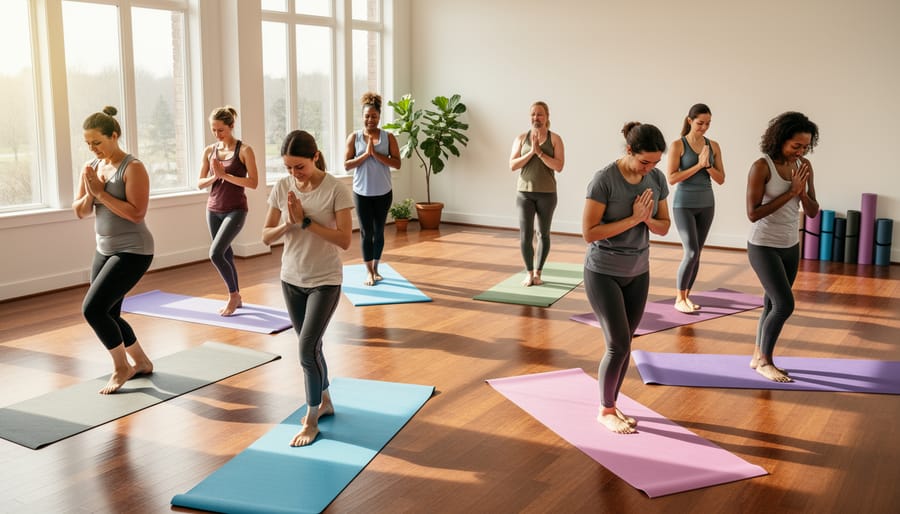
Yoga, tai chi, and qigong slow movement down intentionally, creating space for your mind to settle while your body works. Unlike high-intensity exercise that redirects anxious energy outward, these practices teach you to notice it without judgment, observing your breath, feeling tension release, staying present in each position. The combination of controlled breathing, gentle stretching, and focused attention activates your parasympathetic nervous system, the part that tells your body it’s safe to relax.
For anxiety and stress management, this mindful approach offers something cardio alone can’t: training in self-regulation you can take off the mat. Regular practice strengthens your ability to recognize stress building in your body and respond calmly rather than react. Many community centres across Canada offer beginner classes, and you don’t need flexibility or experience to start, just willingness to move slowly and breathe.
Nature-Based Activity
There’s something about stepping outside that shifts your mental state in ways a gym can’t replicate. Research shows that exercising in natural settings, whether it’s a forest trail, lakeside path, or city park, delivers stronger mental health benefits than the same activity indoors. The combination of movement, fresh air, natural light, and green space reduces rumination (those repetitive negative thoughts) more effectively than exercise alone.
Canadians have extraordinary access to nature-based activity year-round. A winter walk through snow-covered trails, summer cycling along waterfront paths, or simply stretching in your backyard all count. The Japanese practice of “forest bathing” (slow, mindful walking among trees) has been shown to lower cortisol levels and ease anxiety within twenty minutes.
You don’t need wilderness expeditions. Even brief outdoor movement, ten minutes in a local green space, can lift mood and restore mental energy. The key is being present: notice the sounds, the light, how your body feels moving through open air rather than four walls.
How Fitness Is Used to Support Mental Illness Recovery
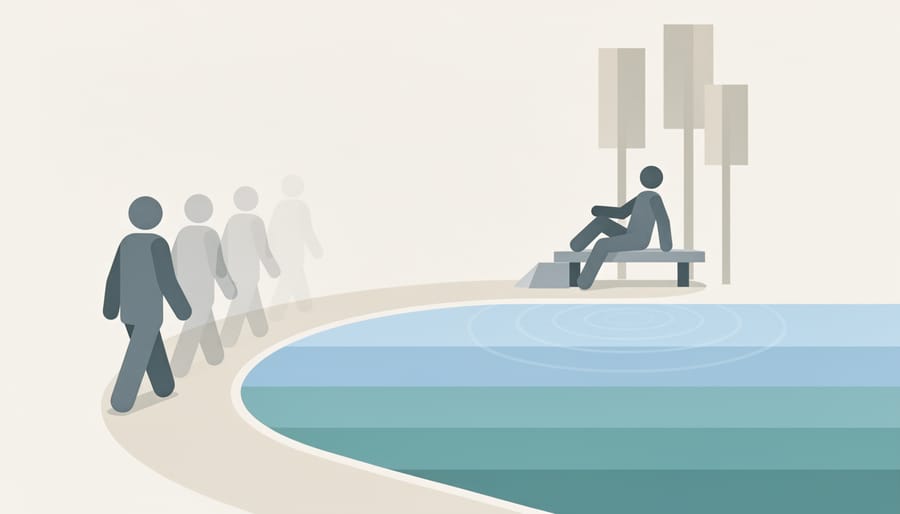
Exercise plays a documented role in the treatment plans for several mental health conditions, working alongside therapy and medication rather than replacing them. Mental health professionals increasingly recommend physical activity as part of comprehensive care because it addresses both symptoms and underlying biological factors that contribute to illness.
For people living with depression, structured exercise programs have shown effectiveness comparable to medication for mild to moderate cases. A 2021 Canadian study found that adults who engaged in 30 minutes of moderate activity three times weekly experienced a 47% reduction in depressive symptoms over 12 weeks. The combination of neurochemical changes, improved sleep, and the sense of accomplishment from completing a workout creates multiple pathways to relief. Many people find that movement helps them break the cycle of rumination and withdrawal that depression creates.
Anxiety disorders respond particularly well to regular physical activity because exercise directly addresses the physical tension and hyperarousal that characterize these conditions. Cardiovascular exercise burns off excess stress hormones and teaches the body to regulate its fight-or-flight response more effectively. People with panic disorder often report fewer and less intense panic attacks after establishing a consistent exercise routine. The predictable structure of scheduled workouts also provides a sense of control that many find calming.
For PTSD, movement practices that emphasize body awareness, like yoga and tai chi, help people reconnect with their bodies in safe, controlled ways. These activities can reduce hypervigilance and improve emotional regulation. Veterans Affairs Canada now includes fitness programming in many PTSD treatment protocols, recognizing that trauma lives in the body as much as the mind.
In addiction recovery, exercise addresses the brain chemistry disruptions that make cravings so intense. Physical activity stimulates the same reward pathways that substances hijack, providing a healthier source of dopamine and endorphins. Recovery programs across Canada increasingly incorporate group fitness as both a coping tool and a way to build new social connections outside old patterns.
The key is viewing fitness as one tool in a larger toolkit. If you’re struggling with a diagnosed mental illness, talk with your healthcare provider about how exercise can support your specific treatment plan.
Making Fitness Work When You’re Struggling
When you’re dealing with mental health challenges, the gap between knowing exercise helps and actually doing it can feel impossibly wide. Fatigue, low motivation, and overwhelming thoughts create real barriers that deserve compassion, not judgment.
Start where you are, not where you think you should be. Five minutes of movement counts. A walk to the mailbox matters. The goal is not to transform overnight but to take one small step that feels manageable today. Many Canadians find success by linking movement to existing routines, a short stretch after morning coffee, a brief walk during lunch, or gentle movement before bed.
Choose activities that feel good, not what you think you’re supposed to do. If the gym feels intimidating, dance in your living room. If running sounds miserable, try swimming or gardening. Movement that brings even a flicker of enjoyment is infinitely more sustainable than forcing yourself through something you dread.
Here are practical strategies that work for people navigating mental health struggles:
- Set a five-minute minimum, you can stop after five minutes or keep going if you feel like it
- Pick activities you genuinely enjoy or feel curious about, not what seems most efficient
- Ask a friend, family member, or support group member to join you for accountability and connection
- Celebrate showing up, regardless of intensity or duration, the win is that you moved
- Have indoor backup options for harsh Canadian winters: mall walking, home videos, community centre programs
When motivation disappears, rely on routine instead. Moving at the same time each day removes the need to decide. On particularly difficult days, lower the bar, change into workout clothes, step outside for two minutes, do one stretch. These micro-commitments often lead to more, but even if they don’t, you’ve honoured your commitment to yourself.
Canadian communities offer resources that reduce barriers. Many recreation centres provide subsidized memberships, drop-in programs, and beginner-friendly classes. Some organizations offer professional support training that helps counsellors and social workers integrate movement into mental health care plans.
Remember that setbacks are part of the process, not evidence of failure. Missing a week doesn’t erase previous effort. You can always begin again, as many times as needed.
Real Stories: How Movement Changed Lives
When Sarah’s doctor first suggested exercise for her depression, the 52-year-old Ottawa teacher dismissed it. “I could barely get out of bed. How was I supposed to run?” But she started with five-minute walks around her block. Within weeks, those walks stretched to twenty minutes. Six months later, she joined a community hiking group. “It didn’t cure my depression,” Sarah says, “but it gave me something I could control when everything felt hopeless.”
Marcus, 28, struggled with OCD vs anxiety symptoms that kept him isolated in his Calgary apartment. A friend convinced him to try a beginners’ boxing class. “Punching a bag let me release tension without hurting myself or others,” he explains. The structured routine and supportive gym community became anchors during his recovery. Combined with evidence-informed care from his therapist, the physical outlet helped him manage intrusive thoughts.
Sixty-seven-year-old Chen found relief from grief-related depression through tai chi in Vancouver’s Chinatown. After losing his wife, he felt disconnected from everything. The slow, deliberate movements gave him a reason to leave home. “The instructor never pushed,” Chen remembers. “She just made space for me to move at my own pace.” The gentle practice didn’t erase his sadness, but it helped him carry it differently.
These stories share a common thread: movement didn’t fix everything, but it opened a door when other doors seemed closed.
Common Questions About Fitness and Mental Health
You’ve probably got questions bouncing around in your head about starting or continuing fitness when you’re dealing with mental health challenges. That’s completely normal, and asking questions is actually a smart first step. Here are the answers to what people most often wonder when they’re considering movement as part of their mental health support.
How much exercise do I actually need to see mental health benefits?
Even 10-15 minutes of moderate activity can lift your mood noticeably. Research suggests 150 minutes per week of moderate exercise offers substantial mental health benefits, but you’ll likely feel improvements with much less, what matters most is consistency, not hitting a perfect number.
What if I’ve never exercised before or I’m really out of shape?
Start exactly where you are without judgment. A five-minute walk around the block counts. Movement at any intensity and duration can support your mental health, and beginning small helps you build confidence and habit before worrying about performance.
Is it safe to exercise while taking medication for mental health conditions?
For most people, yes, exercise typically works well alongside medication and can even enhance its effectiveness. However, some medications affect heart rate, energy levels, or balance, so check with your doctor or pharmacist about any specific precautions for your prescriptions.
When should I seek professional help instead of relying on fitness alone?
If you’re experiencing thoughts of self-harm, severe depression that interferes with daily functioning, panic attacks, or symptoms that worsen despite regular activity, reach out to a mental health professional. Fitness supports recovery beautifully, but it’s a complement to treatment, not a replacement for it.
Another question that comes up often: can fitness help during an acute crisis? The honest answer is that movement can provide temporary relief and grounding when you’re feeling overwhelmed, but a crisis needs immediate professional support. If you’re in distress, contact a crisis line first, then, once you’re stable, fitness can become part of your ongoing wellness plan.
Don’t let perfect be the enemy of good here. You don’t need special equipment, a gym membership, or athletic ability to start. What you need is permission to begin imperfectly, the willingness to be kind to yourself on hard days, and trust that small, repeated efforts add up to real change in how you feel.
You don’t need to fix everything at once. Movement can be as simple as a ten-minute walk or stretching while you watch TV. What matters is starting where you are, not where you think you should be.
The connection between fitness and mental health is real, and it’s within your reach. Whether you’re managing depression, anxiety, or just the everyday weight of stress, your body can be part of your healing. Combine it with other supports, therapy, medication, community connection, whatever works for you.
If you’re struggling at work, learning about psychological safety can help you advocate for a healthier environment. If you’re in crisis or need to understand your rights during involuntary treatment, knowing your Form 5 rights matters.
Partners for Mental Health Canada offers resources, stories, and connections to help you move forward. You’re not alone in this. If you’ve found hope through movement, consider sharing your story, it might be exactly what someone else needs to hear. And if you need professional support, reach out. Taking that step is its own kind of strength.