judy
If anxiety is keeping you awake at night, several non-addictive medications can help break that cycle without the risk of dependency. The most reliable options fall into two categories: daily medications like SSRIs (sertraline, escitalopram) and SNRIs (venlafaxine, duloxetine) that address anxiety at its root, and faster-acting choices such as hydroxyzine or propranolol that can be used situationally. Unlike benzodiazepines, which carry addiction risk and controlled-substance status, these alternatives work through different mechanisms that don’t create the same dependency patterns.
Understanding which option might work for you depends partly on your timeline. SSRIs and SNRIs are first-line treatments for most anxiety disorders, but they require daily use and take four to six weeks to reach full effectiveness. If you need more immediate relief while starting a longer-term medication, hydroxyzine (an antihistamine) and propranolol (a beta-blocker) work within about an hour, though they’re less powerful and work differently than benzodiazepines.
Some of these medications can cause discontinuation symptoms if stopped suddenly. This isn’t the same as addiction, but it does mean you’ll want to work closely with a healthcare provider when starting or stopping treatment.
Many people also find that cognitive behavioral therapy works as well as medication for anxiety-related sleep problems, and combining approaches often yields the best results. If you’re struggling to sleep because of anxiety, knowing where to find help is the first step toward relief that doesn’t come with dependency concerns.
Why Anxiety Keeps You Awake (And Why That Matters for Treatment)

Your mind won’t stop racing. Even though you’re exhausted, you lie awake replaying today’s conversations or tomorrow’s worries. Your chest feels tight, your muscles tense, and the harder you try to sleep, the more alert you become. If this sounds familiar, you’re experiencing what millions of people face: anxiety stealing their sleep.
The connection runs deeper than just having worries at bedtime. When you’re anxious, your nervous system stays in a state of high alert, as if constantly watching for danger. This floods your body with stress hormones like cortisol and adrenaline, which are designed to keep you awake and ready to respond to threats. Your heart rate stays elevated, your breathing becomes shallow, and your mind stays vigilant, scanning for problems to solve.
The physical tension alone can make rest impossible. Anxiety often settles in your jaw, shoulders, and back, creating discomfort that keeps you shifting positions all night. Meanwhile, racing thoughts create what sleep researchers call cognitive arousal: your brain simply won’t power down because it’s busy trying to control, predict, or prevent future problems.
This creates a vicious cycle. Poor sleep makes anxiety worse the next day, which makes the following night’s sleep even harder. You start dreading bedtime itself, which adds another layer of worry to overcome.
Understanding this cycle matters tremendously when choosing treatment. Medication that only makes you drowsy won’t address the underlying anxiety keeping your nervous system activated. That’s why the most effective non-addictive options work by calming your overall anxiety level, which then allows natural, restorative sleep to return. You need treatment that breaks the cycle at its source, not just masks the symptom.
Understanding Non-Addictive Options: What Makes Them Different
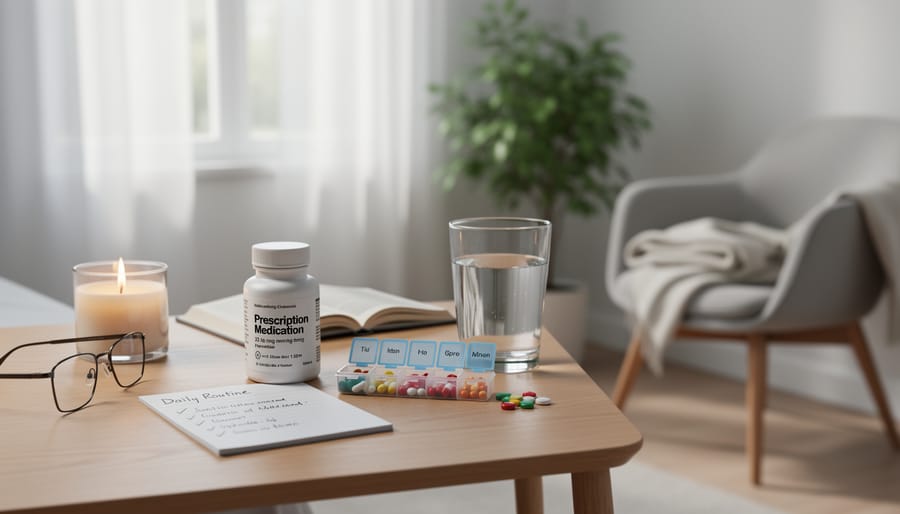
Your concerns about becoming dependent on medication are valid and deserve a clear answer. The distinction between addictive and non-addictive medications comes down to how they affect your brain’s reward system.
Benzodiazepines like Ativan or Xanax are considered addictive because they create a rapid sense of relief that your brain starts to crave. Over time, you need higher doses to get the same effect, and stopping them can trigger intense physical withdrawal along with a psychological compulsion to keep using them. These medications are classified as controlled substances because of this risk.
Non-addictive anxiety medications work differently. SSRIs, SNRIs, and options like buspirone or hydroxyzine don’t activate your brain’s reward pathways. You won’t crave them, you won’t need increasing doses for the same benefit, and you won’t experience that desperate urge to continue taking them.
Here’s where it gets confusing: some non-addictive medications, particularly SSRIs and SNRIs, can cause discontinuation symptoms if you stop taking them suddenly. You might feel dizzy, irritable, or experience flu-like sensations. These symptoms are your body adjusting to the absence of the medication, not addiction. The key difference is that you’re not compelled to seek out the drug, and the symptoms resolve as your system recalibrates, usually within a couple of weeks if the medication is tapered properly.
This matters because the fear of dependence shouldn’t prevent you from accessing treatment that could genuinely help both your anxiety and your sleep.
Non-Addictive Medications That Can Help With Anxiety and Sleep
Daily Medications for Long-Term Relief
When your doctor recommends starting medication for anxiety-related sleep problems, they’ll likely suggest one of these daily options first. Unlike sleeping pills you take when needed, these work by gradually reducing your overall anxiety level, which then makes it easier to fall and stay asleep.
SSRIs like sertraline (Zoloft) and escitalopram (Cipralex) are often the first choice. These medications adjust serotonin levels in your brain, which helps regulate both mood and sleep patterns over time. SNRIs such as venlafaxine (Effexor) and duloxetine (Cymbalta) work similarly but affect both serotonin and norepinephrine. Both medication types are considered first-line treatments because they’re effective for most anxiety disorders and carry no addiction risk.
The catch is patience. SSRIs take four to six weeks to reach full effectiveness, and SNRIs follow a similar timeline. You might notice small improvements in the first couple weeks, but meaningful changes to your sleep usually come after a month or more of consistent use. This waiting period feels frustrating when you’re exhausted, but the payoff is sustained relief rather than a temporary fix.
Buspirone offers another approach. It targets different anxiety pathways than SSRIs or SNRIs and also requires daily use over several weeks. Some people find it helpful when other medications haven’t worked or have caused unwanted side effects.
These medications don’t knock you out at night. Instead, they quiet the anxious thoughts and physical tension that keep you awake. As your baseline anxiety drops, sleep naturally improves. You take them every day regardless of how you’re feeling, building up therapeutic levels that provide steady support.
Fast-Acting Options for Situational Anxiety
If you need something closer to immediate relief for specific situations, hydroxyzine and propranolol are worth knowing about. They work within about an hour, making them the closest non-addictive alternatives to fast-acting medications like benzodiazepines, though they function differently and less powerfully.
Hydroxyzine is an antihistamine that calms situational anxiety. Your doctor might prescribe it for occasional use when you know a stressful event is coming, like a difficult conversation or travel. It can make you drowsy, which some people find helpful for sleep on particularly anxious nights, but it’s not designed as a nightly sleep aid.
Propranolol is a beta-blocker that reduces the physical symptoms of anxiety, like racing heart and trembling hands. It works well for performance anxiety, those moments when you need to give a presentation or attend an important meeting. It won’t eliminate anxious thoughts the way an antidepressant eventually does, but it can take the edge off the physical panic response.
Neither medication carries addiction risk, but they’re meant for specific situations rather than daily use. If you find yourself reaching for them frequently, that’s a conversation to have with your healthcare provider about whether daily medication or substance use support might serve you better. These options fill a particular gap, offering faster relief without dependency concerns when you genuinely need it occasionally.
What to Expect: Timelines, Side Effects, and Real Talk
Starting medication for anxiety-driven sleep problems isn’t always straightforward, and that’s okay. Here’s what the journey typically looks like.
If you’re prescribed an SSRI or SNRI, patience becomes your companion. These medications need four to six weeks of daily use before you’ll feel their full effect on your anxiety. Sleep improvement often lags behind that initial timeline. You might notice your racing thoughts quiet down before you see major changes in how you sleep. This waiting period can feel frustrating when you’re desperate for rest, but it’s how these medications rebuild the brain chemistry that underlies both anxiety and sleep disruption.
Common side effects in the first few weeks include nausea, headaches, or feeling a bit more jittery than usual. Some people experience temporary sleep changes, either drowsiness or restlessness, which usually settle as your body adjusts. Taking medication with food or at a specific time of day can help manage these effects.
Here’s something crucial: don’t stop taking SSRIs or SNRIs suddenly, even if you’re not feeling better yet or if side effects bother you. Stopping abruptly causes discontinuation symptoms like dizziness, flu-like feelings, or mood changes. This isn’t addiction, it’s your brain needing time to readjust. If a medication isn’t working or the side effects are too much, talk to your doctor about tapering down gradually or switching to something else.
The reality is that finding the right medication often involves some trial and adjustment. What works brilliantly for one person might not suit you, and that doesn’t mean you’re out of options. Better sleep is absolutely possible, it just might take some persistence to get there.
Beyond Medication: Why Therapy Works Just as Well
Medication isn’t the only path forward, and for many people with anxiety, CBT works as well as medication in reducing symptoms and improving sleep. Cognitive behavioral therapy teaches you to recognize and challenge the thought patterns that fuel anxiety, breaking the cycle of worry that keeps you awake at night. You learn practical techniques to quiet your mind when it races at 2 a.m., and over time, these skills become automatic.
What works best varies from person to person. Some find relief through therapy alone, others through medication, and many benefit from both working together. The medication can provide enough relief that you’re able to engage fully with therapy, while the therapy gives you skills that last beyond any prescription. You might also explore self-care tips like establishing a calming bedtime routine, regular exercise, and limiting caffeine, which support both therapy and medication in getting your sleep back on track.
The point isn’t to choose between approaches but to expand your options. Finding the right combination of medication, therapy, and daily practices takes some trial and error, but you don’t have to figure it out alone.
Starting the Conversation With Your Healthcare Provider

Talking to a healthcare provider about anxiety and sleep can feel overwhelming, especially when you’re already exhausted. You don’t need to have all the answers or explain everything perfectly. What matters is starting the conversation honestly.
Before your appointment, jot down a few notes about your sleep patterns and anxiety. How many nights a week do you struggle to fall asleep or stay asleep? When does your anxiety feel most intense? What have you already tried? This information helps your provider understand what you’re experiencing and suggest appropriate options.
Be direct about your concerns. You might say, “I’m worried about taking something addictive” or “I’ve heard benzodiazepines can cause dependency, and that scares me.” A good provider will respect these concerns and explain non-addictive alternatives like SSRIs, SNRIs, or hydroxyzine.
Ask specific questions: How long will it take to work? What side effects should I expect? Can I stop if it’s not helping? Will this cause withdrawal? These aren’t demanding questions. They’re essential information you deserve to have.
If your provider dismisses your concerns or refuses to discuss options, that’s a sign you may need a different provider. You have the right to get help from someone who listens.
Accessing mental health care in Canada can be challenging, with long wait times and limited coverage. If you’re struggling to connect with a provider, consider starting with your family doctor, a walk-in clinic, or a community health centre. Online therapy and telehealth services have also expanded options, though availability varies by province.
Finding relief from anxiety-driven sleep problems doesn’t have to mean choosing between suffering and dependency. Non-addictive medication options exist, each working differently and on different timelines. Whether you need daily support that builds over weeks or faster relief for occasional anxiety, there’s a path forward that respects your concerns about addiction.
Your worries about becoming dependent on medication are valid and understandable. The good news is that medications like SSRIs, SNRIs, buspirone, and hydroxyzine offer genuine help without the addiction risk that makes benzodiazepines problematic for many people. Better sleep is possible when anxiety is managed effectively.
The most important step is finding the right support. Talk openly with your healthcare provider about what you’re experiencing and what matters to you in treatment. Whether medication, therapy, or a combination works best, you deserve care that helps you rest and feel like yourself again.
You’re not alone in this struggle, and asking for help is a sign of strength. Many Canadians living with anxiety have found their way to better sleep, and you can too. Your rest matters, your concerns matter, and support is available when you’re ready to reach for it.