judy
Stopping self-harm begins with building a personalized toolkit of immediate alternatives and long-term coping strategies that interrupt the urge before it escalates. This isn’t about willpower or simply deciding to stop. Recovery involves understanding what drives the behavior, creating concrete safety plans for moments of crisis, and developing healthier ways to process overwhelming emotions. Most people who self-harm do so as a way to cope with emotional pain, numbness, or trauma, and finding alternative outlets takes time, patience, and often professional support.
If you’re reading this in a moment of crisis, know that the urge to self-harm can pass. It might feel permanent right now, but urges typically peak and fade within 15 to 30 minutes when you can delay and distract. You deserve compassionate support, not judgment, and recovery is possible even if you’ve tried to stop before.
This guide offers both immediate strategies for right now and sustainable approaches for lasting change. You’ll find specific techniques to manage urges in the moment, ways to identify your triggers, steps for building a safety plan, and guidance on seeking professional help. Whether you’re supporting yourself or someone you care about, these tools work best when tailored to individual needs and circumstances.
Self-harm exists on a spectrum, from mild to severe, and anyone struggling with it deserves access to care and understanding. Recovery rarely follows a straight line. Setbacks don’t erase progress, and each day you choose an alternative response strengthens your capacity for healing.
Recognizing When You Need to Stop: Warning Signs and Triggers
Self-harm rarely happens out of nowhere. Most people experience identifiable warning signs in the hours or even days before an urge becomes overwhelming. Learning to recognize your personal patterns gives you critical time to intervene before reaching a crisis point.
Your body and mind send signals when you’re becoming vulnerable. These warning signs are different for everyone, but they tend to cluster around emotional states, physical sensations, and specific situations. Paying attention to these signals isn’t about judging yourself. It’s about gathering information that helps you protect yourself.
Common warning signs include:
- Feeling numb, disconnected, or like you’re watching yourself from outside your body
- Overwhelming emotions that feel impossible to contain or express in words
- Intense restlessness, tension in your muscles, or a feeling of pressure building inside
- Intrusive thoughts about self-harm or mental images of harming yourself
- Withdrawing from people who usually support you or isolating yourself
- Engaging in risky behaviors or being careless about your safety
- Changes in sleep patterns, appetite, or self-care routines
- Experiencing specific situations like conflict, rejection, or feeling invalidated
Beyond general warning signs, triggers are the specific circumstances that activate your urge to self-harm. Your triggers might include certain times of day (late at night when you’re alone), particular emotions (shame, anger turned inward), relationship dynamics (feeling abandoned or criticized), or environmental factors (being in specific locations, anniversaries of difficult events).
Start tracking patterns by noticing what happens in the 24 hours before you feel an urge. What were you doing? Who were you with? What emotions were present? What thoughts kept circulating? Were you hungry, tired, or physically uncomfortable? Over time, you’ll identify your unique constellation of warning signs.
This awareness becomes your early warning system. When you notice these patterns forming, you can activate your coping strategies before the urge intensifies. Recognition doesn’t prevent urges from happening, but it shifts you from reactive to prepared, giving you the best chance to stop self harm before it occurs.
What You Need Before You Begin: Building Your Safety Plan

Emergency Contacts and Professional Support
Keep these numbers saved where you can find them quickly. In Canada, call 988 for the Suicide Crisis Helpline (available 24/7 by phone or text). Kids Help Phone offers confidential support at 1-800-668-6868 or text CONNECT to 686868. Crisis Services Canada (1-833-456-4566) provides nationwide support in English and French.
Your family doctor can refer you to mental health services covered by provincial health insurance. Many provinces now offer faster access to therapists through programs like Ontario’s OHIP+ mental health services or BC’s Integrated Primary and Community Care teams. Community mental health centres provide free or low-cost counseling, search “[your city] community mental health” to find local options.
If you’re hospitalized or assessed during a crisis, you have Form 5 rights under mental health legislation that protect your autonomy and ensure proper treatment.
Private therapists specializing in self-harm typically use Dialectical Behavior Therapy (DBT) or trauma-focused approaches. Psychology Today’s Canadian directory and the Canadian Counselling and Psychotherapy Association can help you find qualified professionals. Many offer sliding-scale fees based on income, and employee assistance programs often cover several sessions at no cost.
Your Personal Coping Toolkit
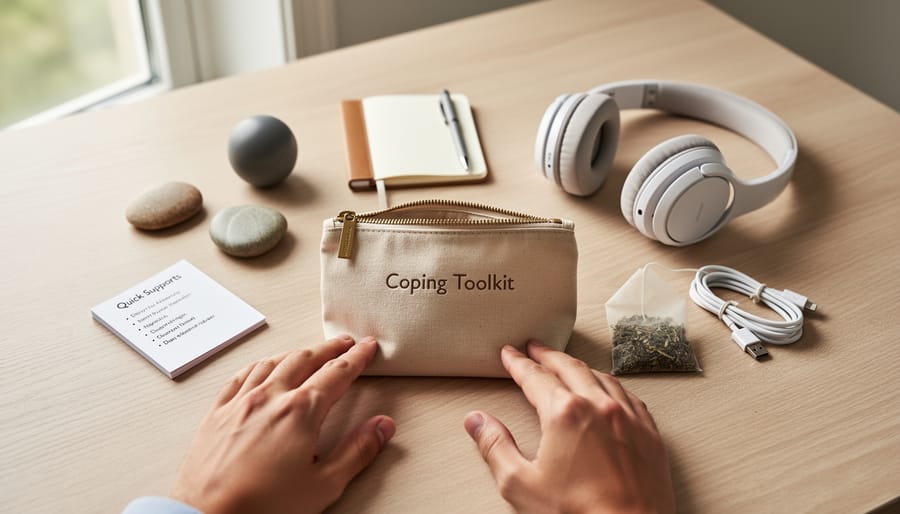
Gather these items now, before an urge hits. When emotions spike, decision-making shuts down, so preparation matters. Keep your toolkit in one accessible place where you can reach it without searching.
Start with physical sensation items that provide intense, safe input: ice cubes or an ice pack you can hold, a stress ball or clay you can squeeze hard, a textured object like a rubber brush or fabric with distinct feel. These satisfy the need for physical release without causing harm.
Add items for emotional expression: a journal or notebook dedicated to raw feelings, art supplies like markers or crayons for scribbling out anger, a playlist of songs that match your emotions or calm you down. Label the playlist clearly so you don’t waste time searching.
Include comfort objects: a soft blanket, photos of people you care about, a scented candle or essential oil, gum or strong mints for taste distraction. One person keeps a smooth river stone in their pocket as a reminder they can touch anytime.
Review your toolkit weekly. Replace used items like ice packs, add new tools as you discover what works, remove anything that stopped helping. This isn’t a fixed list, it evolves as you learn your patterns.
Creating a Safe Space
Creating a safe physical environment removes unnecessary barriers between you and recovery. This doesn’t mean stripping your space of everything sharp or potentially harmful, that’s neither practical nor dignifying. Instead, focus on reducing immediate access during vulnerable moments.
Start with items you know you’ve used before. Store them in less accessible places: move razors to a locked box, relocate certain tools to a garage or shed, or ask a trusted person to hold specific items temporarily. The goal is creating friction, a few extra steps that give you time to use the coping strategies you’re building.
If you live with others, you can involve them without detailed explanations. “I’m working on some things and need help keeping certain items out of easy reach” respects your privacy while recruiting support. If you live alone, consider strategies like storing items in opaque containers that require deliberate action to access, or placing them in locations that break your usual patterns.
Remember, this isn’t about creating a sterile environment or treating yourself like you can’t be trusted. You’re designing space that supports the healthier choices you’re working toward. As you strengthen other coping skills, you may find you need fewer environmental controls. Adjust your safe space as your recovery progresses.
Step-by-Step: How to Stop Self Harm in the Moment
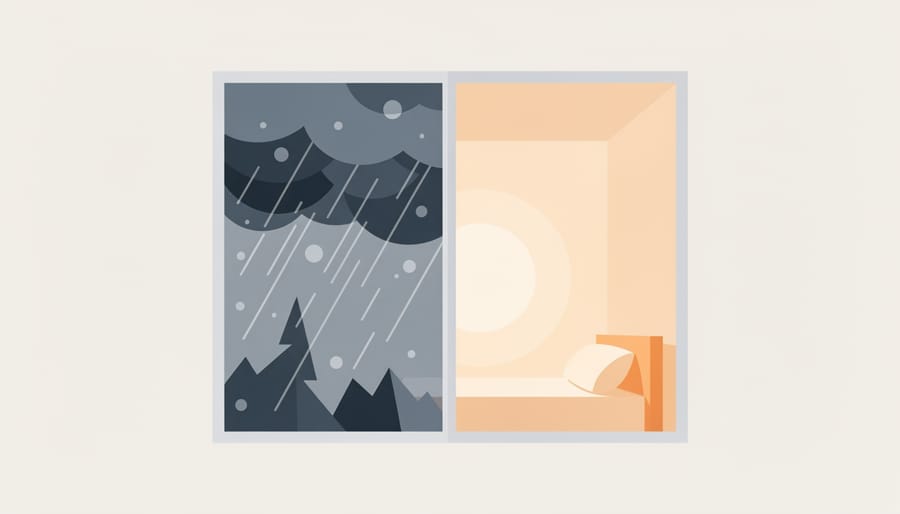
Pause and Name the Feeling
When the urge to self-harm hits, your first task is to create a gap between that impulse and taking action. This pause doesn’t need to be long, even thirty seconds can shift your trajectory.
Start by physically stopping whatever you’re doing. Put down what’s in your hands. Sit down if you’re standing, or stand up if you’re sitting. This physical interruption signals to your brain that you’re choosing a different path.
Next, name what you’re feeling out loud or in writing. Say “I’m feeling overwhelmed and angry” or “I feel numb and need to feel something.” The act of labeling emotions activates your brain’s reasoning centers and reduces the intensity of emotional overwhelm. You’re not trying to make the feeling go away, you’re acknowledging it exists.
If you can’t identify a specific emotion, that’s okay. You might simply say “I’m having an urge to hurt myself” or “Something feels unbearable right now.” The precision matters less than the act of naming.
This pause creates the critical space where choice becomes possible. You’ve acknowledged the urge without acting on it, and that moment of recognition is where change begins. The feeling is real and valid, but it doesn’t have to dictate your next action.
Use Immediate Distraction Techniques
When the urge strikes, you need fast interventions that shift your physical and emotional state before you act. These techniques work because they redirect intense energy and create a powerful interruption in the cycle from urge to action.
The ice technique offers immediate, intense sensation without harm. Hold ice cubes tightly in your hands, press them against your arms, or run ice across your skin where you feel the urge. The shock of cold floods your nervous system with sensation that demands attention, pulling you out of the emotional spiral. Keep a bag of ice in your freezer specifically for this purpose.
Physical movement burns off the overwhelming energy that fuels self-harm urges. Sprint up and down stairs, do jumping jacks until you’re breathless, punch a pillow, or blast music and dance aggressively. This exercise coping strategy releases the same adrenaline and provides physical relief while protecting your body.
Calling someone forces you to shift from internal crisis to external connection. Even if you just need them to stay on the line while you breathe, that human voice interrupts the isolation that intensifies urges. Text if calling feels too hard. The goal is connection, not perfection.
Choose one technique now, before you need it, so you don’t have to decide in crisis.
Apply Alternative Coping Strategies
When distraction alone isn’t enough, you need strategies that match the intensity of what you’re feeling without causing harm. These alternatives acknowledge that you’re seeking either physical sensation or emotional release, and provide safer ways to get there.
For physical sensation, try holding ice cubes in your hands or pressing them against your forearms. The sharp cold creates intense feeling without injury. Snap a rubber band against your wrist (not hard enough to bruise, just enough to feel it). Draw on your skin with red marker where you feel the urge. The visual and physical act can satisfy the impulse without breaking the skin.
For emotional release, tear paper into tiny pieces, scribble aggressively in a journal, or punch a pillow while yelling. Scream into a pillow if you need to express rage or pain. Take a freezing cold shower, the shock can reset your nervous system.
Choose two or three strategies that appeal to you and keep the supplies within reach. Not every technique will work every time, and that’s normal. The goal isn’t perfection; it’s finding healthier outlets that honour your need to feel or express something intense. Experiment to discover what genuinely helps you, then add those to your safety plan.
Reach Out for Support
Reaching out doesn’t mean you’ve failed. It means you’re using the exact strategy that works. When the urge feels overwhelming, contact someone from your support network: a trusted friend, family member, therapist, or crisis line. You don’t need perfect words. Try “I’m having a hard time right now and need someone to talk to” or simply “I’m struggling.” If you’re unsure where to get support Canada’s crisis lines (988 for suicide prevention, Kids Help Phone at 1-800-668-6868) are available 24/7 with trained responders who understand. Texting works too if calling feels too hard. The act of connecting interrupts the isolation that fuels self-harm urges.
Practice Self-Compassion
Regardless of whether you just successfully redirected an urge or gave in to self-harm, your next step is the same: treat yourself with the same gentleness you’d offer a struggling friend. Self-criticism and shame don’t prevent future episodes, they often trigger them. Instead, acknowledge that you’re facing something difficult and doing your best with the tools you currently have.
Say to yourself: “This is hard, and I’m learning.” If you stopped the urge, that’s worth recognizing without minimizing the struggle it took. If you didn’t, remind yourself that recovery isn’t linear and this moment doesn’t erase your progress or worth. Notice harsh thoughts as they arise, “I’m weak,” “I failed again”, and actively replace them with acknowledgment: “I’m struggling with something challenging, and I’m still here trying.”
Self-compassion isn’t self-indulgence; it’s a practical recovery tool that builds the emotional safety you need to keep trying, to reach out next time, and to learn from each experience without spiraling into shame.
Building Long-Term Strategies to Stop Self Harm
Professional Treatment Options
Professional treatment can accelerate your recovery and provide tools that are difficult to develop alone. Dialectical Behavior Therapy (DBT) teaches specific skills for managing intense emotions, tolerating distress, and reducing self-harm urges through structured modules. Cognitive Behavioral Therapy (CBT) helps you identify and change thought patterns that trigger self-harm, replacing them with healthier responses. If trauma underlies your self-harm, trauma-focused therapies like EMDR or trauma-informed CBT address root causes rather than just symptoms.
Accessing professional support in Canada starts with your family doctor, who can provide referrals to therapists specializing in self-harm and related issues. Many provinces offer publicly-funded mental health services through community health centers, though wait times vary. Private therapy, covered partially by some workplace benefits, provides quicker access. Online therapy platforms now serve all Canadian provinces, offering video sessions with licensed therapists who specialize in self-harm recovery. Don’t hesitate to try different therapists until you find the right fit, the therapeutic relationship matters as much as the treatment approach itself.
Developing Emotional Regulation Skills
Emotional regulation skills help you manage feelings before they become overwhelming. The goal is to catch emotions early and respond in ways that don’t involve self-harm.
Start with naming your emotions specifically. Instead of “I feel bad,” try “I feel disappointed and rejected.” This precision reduces the emotion’s power. Research shows that labeling emotions activates the brain’s reasoning centers and calms the emotional centers.
Practice the opposite action technique. When anger makes you want to hurt yourself, do something gentle. When sadness pulls you toward isolation, reach out to someone. Acting opposite to the emotion’s urge weakens its grip.
Use the TIPP skill for intense moments: Temperature (splash cold water on your face), Intense exercise (do jumping jacks for 60 seconds), Paced breathing (breathe in for 4 counts, out for 6), Paired muscle relaxation (tense then release muscle groups). These techniques physically calm your nervous system within minutes.
Build a feelings vocabulary and check in with yourself three times daily. Rate your emotions on a scale of 1 to 10. When you notice a 4 or 5, use coping skills before it reaches 8 or 9. Early intervention is easier than crisis management. With practice, you’ll catch escalating emotions sooner and respond more effectively.
Lifestyle Changes That Support Recovery
Your body and daily habits directly impact your emotional resilience. When you’re sleep-deprived, undernourished, or living in chaos, even small stressors can feel overwhelming and trigger self-harm urges.
Sleep: Aim for 7-9 hours nightly. Poor sleep intensifies emotional reactivity and weakens impulse control. Create a consistent bedtime routine, limit screens an hour before bed, and keep your bedroom cool and dark. If racing thoughts keep you awake, try a worry journal or progressive muscle relaxation.
Nutrition: Skipping meals causes blood sugar crashes that mimic anxiety and worsen mood swings. Eat regular, balanced meals with protein, complex carbs, and healthy fats. Stay hydrated. You don’t need a perfect diet, just consistent fuel for your brain.
Exercise: Physical activity provides mental health benefits by releasing endorphins, reducing stress hormones, and giving you a healthy outlet for intense energy. Even a 10-minute walk can shift your state. Find movement you actually enjoy rather than forcing yourself into routines you hate.
Routine: Structure reduces decision fatigue and creates predictability when emotions feel chaotic. Set regular times for waking, eating, and winding down. Small, consistent habits build a foundation that supports you when urges arise.
How to Know It’s Working: Tracking Progress and Setbacks
Recovery from self-harm isn’t a straight line, and progress often shows up in subtle ways you might miss if you’re only watching for complete abstinence. Learning to recognize the small victories and understand setbacks as part of the process, not proof of failure, gives you the clearer picture you need to keep moving forward.
Start tracking patterns in a journal or notes app. Record urges even when you don’t act on them, noting what you felt, what you did instead, and how long the urge lasted before it passed. This data reveals what’s actually working. You might discover that urges are becoming less intense, happening less frequently, or that you’re successfully using coping strategies more often than you realize.
Concrete signs you’re making progress include:
- Increased time between urges to self-harm, even by hours or days
- Successfully using alternative coping strategies when urges arise
- Greater awareness of your emotional triggers before they escalate
- Reaching out for support instead of isolating when struggling
- Reduced severity or duration of self-harm episodes if they do occur
- More days where self-harm doesn’t cross your mind at all
- Feeling emotions without immediately needing to escape them
When setbacks happen, and they will, respond with curiosity rather than shame. Ask yourself what triggered this particular moment, what you can learn from it, and what you might try differently next time. A setback doesn’t erase the progress you’ve made any more than one rainy day erases summer. Each time you work through the urge cycle, whether you interrupt it or not, you’re building neural pathways that make stopping easier next time.
Consider weekly check-ins where you note three things: one moment you handled differently than you would have months ago, one challenge you’re still working through, and one strategy you want to try in the coming week. This structured reflection keeps you focused on the trajectory, not just the individual moments.
Common Questions About Stopping Self Harm
How long does it take to stop self-harming?
There’s no fixed timeline because recovery isn’t linear. Some people reduce the frequency within weeks, while others need months to break the pattern completely. What matters more than speed is building sustainable coping skills that last.
What should I do if I have a setback?
A setback doesn’t erase your progress. Treat yourself with the same compassion you’d offer a friend, acknowledge what triggered the urge, and return to your coping strategies without judgment. Many people experience setbacks on the path to recovery.
Should I tell someone I’m self-harming?
Reaching out to a trusted person or professional can significantly strengthen your recovery. Choose someone who will listen without judgment, whether that’s a therapist, crisis counselor, close friend, or family member you trust.
How do I deal with shame about self-harm?
Self-harm is a coping mechanism, not a character flaw. Shame often keeps people trapped in secrecy, which makes recovery harder. Remind yourself that seeking help takes courage, and your worth isn’t defined by your struggles.
What if I’ve tried everything and nothing works?
If current strategies aren’t helping, it might mean you need a different approach rather than that recovery is impossible. Consider trying a different type of therapy, talking to a new counselor, or addressing underlying issues like trauma or depression that fuel the self-harm.
Can I stop self-harming without professional help?
While some people manage with personal support systems alone, professional guidance typically makes recovery more effective and sustainable. Therapists trained in self-harm can teach specific skills and address root causes that friends and family can’t.
Understanding these common concerns helps normalize your experience. Recovery from self-harm raises practical questions that deserve honest answers, not dismissive reassurance. The uncertainty you feel about timelines, setbacks, and whether you’re doing it “right” is something nearly everyone in recovery navigates.
Your questions reflect the complexity of changing deeply-rooted patterns. Self-harm often serves multiple purposes at once, emotional release, punishment, communication, or a way to feel something when you’re numb. That’s why a single strategy rarely works for everyone, and why recovery involves experimenting to find what resonates with you specifically.
The shame question deserves particular attention because it creates a vicious cycle. You feel ashamed about self-harming, so you hide it, which increases isolation and stress, which makes self-harm more likely. Breaking that cycle by confiding in even one person can shift the entire pattern. You don’t need to tell everyone in your life, but carrying this completely alone makes the burden heavier than it needs to be.
Recovery from self-harm isn’t a straight line. Some days you’ll use every strategy in your toolkit and feel stronger. Other days, the urge will catch you off guard, or you’ll slip back into old patterns. That doesn’t erase your progress. Each time you pause, reach out, or choose a healthier coping method, even if it’s just once, you’re building the neural pathways that make stopping easier next time.
You’ve already taken the hardest step by reading this article and considering change. That took courage. Now take one small action: save a crisis line number in your phone, tell one trusted person you’re struggling, or gather one item for your coping toolkit. You don’t have to do everything at once.
Thousands of people in Canada have learned how to stop self harm and built lives where they manage intense emotions without hurting themselves. You can be one of them. The strategies in this article, from immediate distraction techniques to long-term therapy, work when you practice them consistently, even imperfectly.
You’re not alone in this. Whether you’re supporting yourself or someone you love through this process, help is available right now. Crisis lines are staffed 24/7, therapists specialize in these exact challenges, and communities of people who understand this struggle exist both online and in person.
Recovery is possible. It starts with the next small choice you make.