judy
The cycle of anxiety is a loop in which worry sets off physical reactions, those reactions push you to avoid what feels threatening, and the avoidance keeps the worry alive. It’s a commonly used phrase for this pattern, not a formal clinical term, but it describes something many people know well: a racing heart before a phone call, a decision to skip it, a moment of relief, and then a stronger dread the next time.
That relief is the tricky part. Avoiding a fear feels like a solution because the discomfort drops right away. Over time, though, it teaches your mind that the situation really was dangerous, and the loop tightens.
The good news is that a loop can be interrupted. Understanding each stage, from the first anxious thought to the urge to step back, is often where change begins. Anxiety is also widespread in Canada. CAMH reported that nearly 30 per cent of Canadians (28.8 per cent) felt moderate to severe anxiety about returning to pre-pandemic routines, a reminder that you aren’t alone in this. This article explains how the cycle works, what keeps it going, and where to find support to break it.
What the Cycle of Anxiety Means in Plain Language
Most of us know the feeling of a worry that won’t quit. The cycle of anxiety is a common way people describe that pattern: a worry sets off reactions in the body and mind, we respond in ways that bring quick relief, and the worry comes back anyway. There’s no single official definition or origin for the phrase, so think of it as a helpful picture rather than a formal label.
First, a little context. Anxiety itself is a normal human response. It’s the body’s alarm system, designed to keep us alert when something feels uncertain or risky. A bit of nerves before a big day is natural, and often useful.
Everyday worry usually passes once the situation does. It becomes a cycle when the alarm keeps ringing, even after the danger has faded, and our attempts to calm it end up feeding it. That’s when it can start to feel stuck.
Here are a few key terms, in everyday words:
- Anxiety
- The body and mind’s natural alarm response to something that feels uncertain or threatening.
- Worry
- The thoughts that circle around “what if” and keep us on edge.
- Trigger
- A situation, thought, or moment that sets the alarm off.
- Avoidance
- Steering clear of something that makes us anxious, which brings relief now but can keep the fear alive.
- Reassurance-seeking
- Asking others, again and again, to tell us everything will be fine.
- The cycle
- The loop where worry, body reactions, and coping choices keep feeding one another.
Seeing these pieces side by side can make the pattern feel less mysterious, and a lot less personal.
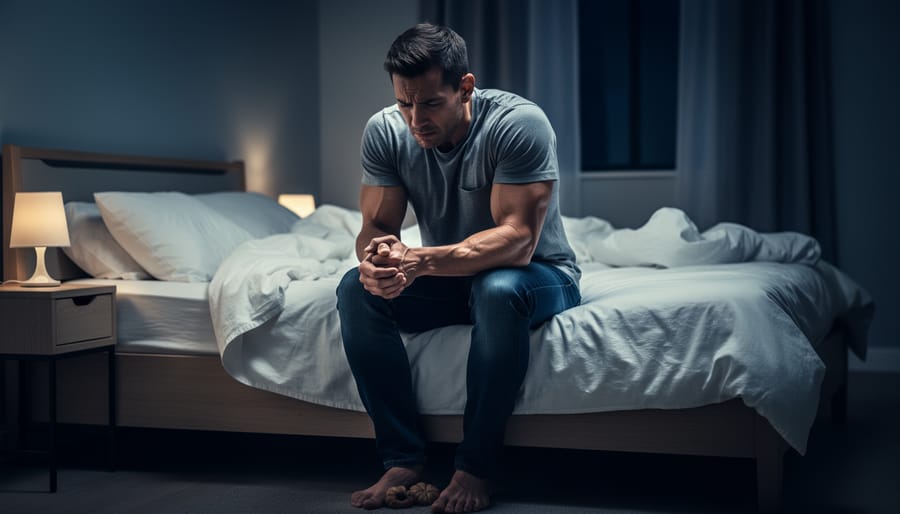
How the Cycle of Anxiety Works, Step by Step
Why Relief Can Keep the Cycle Going
When worry spikes, most of us do something to make it stop. We skip the event, check the locked door a third time, or ask a friend, “You’re sure it’ll be okay?” These responses are understandable attempts to protect ourselves, and they often work, at least for a little while. The tight chest eases, and the mind settles.
Here’s the catch. That quick relief sends the brain a quiet message: that was a real danger, and we just escaped it. Because the feared outcome never got a chance to be tested, the mind never learns that we might have been fine all along. The next time a similar moment comes up, the alarm rings a little louder, and the urge to avoid, check, or seek reassurance feels even more necessary.
Over time, the loop can tighten. The relief gets shorter, the worry returns sooner, and life can start to shrink around the things we’re steering clear of.
None of this means you’re doing something wrong. These habits grew out of a very human wish to feel safe. Seeing how they work is simply a first step toward trying something gentler, like letting a small amount of worry pass without acting on it, and noticing what happens.
Parts of the Cycle and Common Forms of Anxiety
Signs and Symptoms to Notice
Anxiety shows up differently for everyone, so think of these signs as common patterns rather than a checklist. Many people notice them in three areas.
Physical signs
- A racing or pounding heart
- Tight chest, shallow breathing, or feeling short of breath
- Muscle tension, headaches, or an upset stomach
- Trouble falling or staying asleep, or constant tiredness
Emotional signs
- Ongoing worry that feels hard to switch off
- Feeling on edge, irritable, or restless
- A sense of dread, even when nothing is clearly wrong
- Difficulty concentrating because your mind keeps racing
Behavioural signs
- Avoiding places, people, or situations that feel stressful
- Checking things over and over, or seeking constant reassurance
- Putting off tasks or decisions
- Pulling back from friends, family, or activities you used to enjoy
Having some of these signs now and then does not automatically mean you have an anxiety disorder. Stress, big changes, and hard seasons of life can bring many of them on. What matters most is how long they last and whether they get in the way of daily life. If you’re unsure where your own experience fits, reading about social anxiety vs agoraphobia can help you see how differently anxiety can look from person to person. A family doctor or qualified health professional can talk it through with you.
What Can Set the Cycle in Motion
Anxiety rarely has one cause. More often, a mix of things comes together over time. Life stress, such as pressure at work, money worries, or caring for others, can wear down our sense of calm. Past experiences, including difficult or frightening events, can leave the body quicker to sound the alarm. Biology plays a part too, since anxiety can run in families, and physical health conditions or changes in sleep can raise the volume on worry. Alcohol, caffeine, and other substances can also affect how settled we feel.
Big transitions and uncertainty are common triggers. Starting a new school, moving, changing jobs, or adjusting to routines after a major life disruption can all set the loop in motion. CAMH has reported that nearly 30 per cent of Canadians (28.8 per cent) felt moderate to severe anxiety about returning to pre-pandemic routines, a reminder of how ordinary, and how widely shared, this reaction is.
Here’s the part worth holding onto: no one chooses anxiety. It isn’t a flaw in character or a lack of strength, and it’s nobody’s fault. Understanding what can set it off is simply a first step toward feeling less alone and finding support that fits.
Anxiety in Canada Right Now: What the Latest Research Is Telling Us
If you’ve been feeling the weight of worry lately, you’re far from alone, and recent Canadian research shows it.
During the pandemic recovery period, CAMH reported that nearly 30 per cent of Canadians (28.8% reported moderate anxiety or higher) said they felt moderate to severe anxiety about returning to pre-pandemic routines. Think about how that connects to the cycle we’ve been talking about. Uncertainty about change is a very human trigger, and many people were facing it at the same time.
More recently, Mental Health Research Canada has been tracking media attention on this topic. Its listing includes August 26, 2026 coverage on anxiety and mood disorders rising in Canada. And a national survey from the Canadian Mental Health Association, the mental health eroding survey found that Canadians’ mental health is wearing down.
These findings can sound heavy. But here’s another way to read them. If your worry has felt bigger or harder to shake, you’re part of a much wider story, not a personal failing. Naming that can soften the shame that often keeps the cycle going. And it’s a good reason to understand the loop and reach out for support.
How People Use Understanding of the Cycle to Find Relief and Support
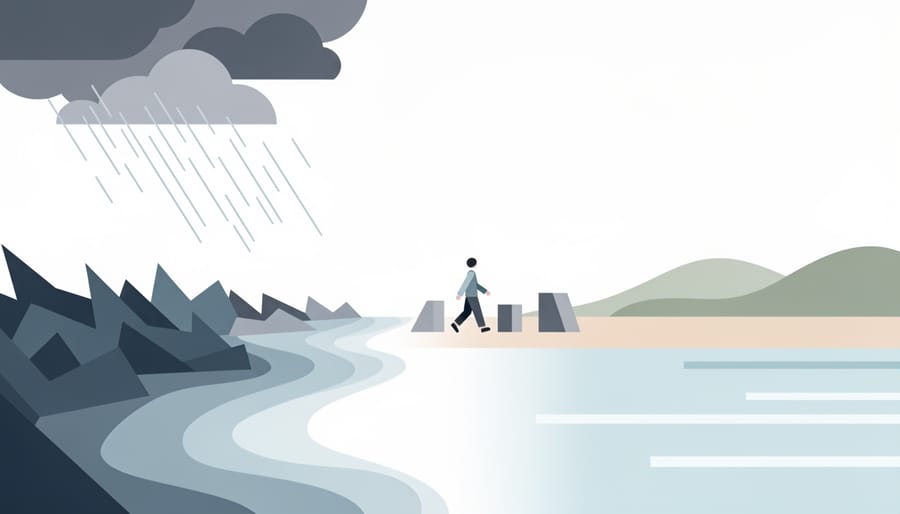
Once you can name the cycle, you can start to see where you are in it. Maybe you’re at the “what if” thoughts, or the racing heart, or the moment you reach for a quick escape. Spotting that step is often the first small act of relief, because it turns a vague wave of dread into something you can look at and respond to. It also helps you describe what’s happening when you talk with someone who can support you.
Gentle, widely recommended ways to interrupt the loop include:
- Slow, steady breathing, with a longer exhale, to calm the body’s alarm.
- Grounding yourself by noticing five things you can see, hear, or touch right now.
- Facing a feared situation in small, gradual steps instead of avoiding it altogether.
- Protecting regular sleep and finding time for movement you enjoy.
- Talking with someone you trust before the worry grows louder.
- Reaching out to a professional if anxiety keeps getting in the way of daily life.
Small habits count, and you don’t have to do them perfectly. Some people find that music to calm a racing mind gives them a softer place to start, and there are more ideas on how to support yourself day to day.
The idea is useful for others too. Educators can use it to understand why a student avoids certain tasks, workplaces can build in predictability and kindness during change, and health professionals can use it as a shared, plain-language starting point with the people they care for. This matters now, as CAMH has reported that nearly 30 per cent of Canadians (28.8 per cent) felt moderate to severe anxiety about returning to pre-pandemic routines.
If anxiety is interfering with your sleep, work, school, or relationships, consider speaking with a family doctor, a community mental health service, or a crisis line. If you’re not sure where to begin, this guide on how to get help can point the way. Support through the move from youth to adult mental health services is also an area where Canadian mental health organizations are focusing attention, a reminder that help is meant to follow you through each stage of life.

Common Questions About the Cycle of Anxiety
Anxiety is a natural alarm system, and these answers are meant to help you feel a little less alone with it.
What is anxiety, and what are anxiety disorders?
Anxiety is the body’s normal response to stress or uncertainty, and everyone feels it sometimes. It may be called an anxiety disorder when the worry is intense, lasts, and gets in the way of daily life. Only a qualified health professional can diagnose one.
What causes anxiety?
There is rarely a single cause. Life stress, past experiences, biology, health, substance use, and big changes can all play a part, and none of it is anyone’s fault.
Can the cycle be broken?
Yes. Many people find that slow breathing, gradually facing feared situations, regular sleep, and talking with someone trusted help loosen the loop over time. Progress often comes in small steps.
When should I reach out for help?
Consider reaching out when worry is affecting your sleep, relationships, work, or school, or when it simply feels like too much. A family doctor, community mental health service, or crisis line is a good place to start.
Wherever you are in the loop, asking questions is a healthy first step.
Key Takeaway: You Can Step Out of the Loop
Noticing where you are in the loop is already a meaningful first step toward stepping out of it.
If you’ve seen yourself in this loop, please go easy on yourself. The cycle of anxiety isn’t a flaw in your character. It’s a protective system working a little too hard, and it can be gently retrained, one small step at a time. Some days will feel lighter than others, and that’s part of the process, not a sign you’re failing.
You don’t have to work through it alone. Reaching out to a trusted friend, a family member, or a health professional can make the loop feel far less heavy. Talking about it is often the moment things begin to shift.
If you feel ready, consider sharing your own story. Your experience might be exactly what someone else needs to hear to feel less alone. You can also explore the resources from Partners for Mental Health and help build a community where support is easy to find, and where no one has to face anxiety in silence.